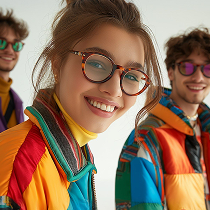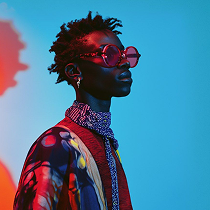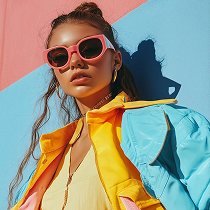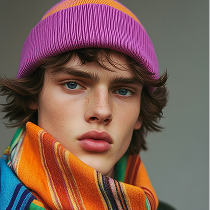
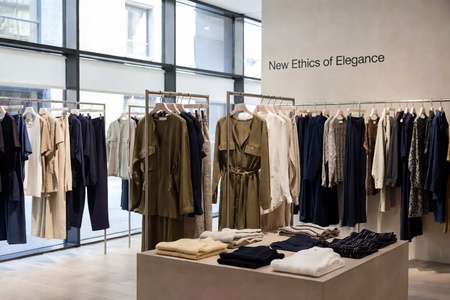
True luxury has always been quiet. It lingered in the weight of a handwoven textile, the patience of a skilled artisan, the integrity of something made to endure. Today, sustainability is not fashion’s moral add-on—it is its return to truth.
When Luxury Slowed Down
For decades, fashion celebrated speed—collections multiplied, trends dissolved before they settled, wardrobes expanded without memory. Yet somewhere between climate reckoning and cultural fatigue, the industry paused. And in that pause, luxury rediscovered its conscience.
Sustainable fashion in 2026 is no longer about slogans or surface-level gestures. It is about pace. About returning to the rhythm of making things well. On the streets of Paris and Copenhagen, women are wearing fewer pieces—but wearing them with intention. The same coat appears season after season, softening with age, accruing story. The same leather bag bears the marks of travel, not obsolescence.
This is sustainability not as sacrifice, but as sophistication.
Craftsmanship as Environmental Responsibility
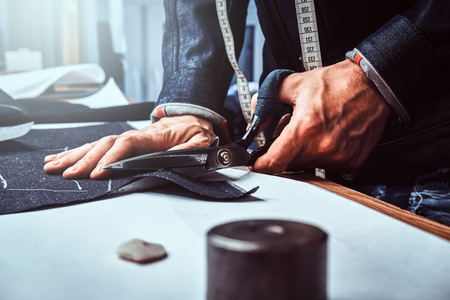
At the heart of ethical fashion lies craftsmanship—the original sustainable practice. Long before “eco-conscious” entered marketing lexicons, artisans understood that to make something properly was to respect materials, labor, and time.
Brands like Stella McCartney have long championed this ethos, proving that innovation and ethics are not opposing forces. Her commitment to cruelty-free materials and regenerative practices positions sustainability as design intelligence, not limitation.
Website: https://www.stellamccartney.com
Instagram: https://www.instagram.com/stellamccartney
View this post on Instagram
Similarly, Eileen Fisher has redefined responsibility through transparency—circular programs, fair wages, and timeless silhouettes that resist trend fatigue. Her garments are designed to live long lives, and then begin again.
Website: https://www.eileenfisher.com
Instagram: https://www.instagram.com/eileenfisherny
View this post on Instagram
In these houses, sustainability is embedded—not announced.
The Quiet Power of Fewer Choices
Perhaps the most radical shift in ethical fashion is not what women are buying—but what they are no longer buying. Excess has lost its allure. Overconsumption now reads as unsophisticated, even careless.
The modern consumer understands that restraint is its own form of privilege. Owning fewer, better garments reflects discernment. It signals confidence. It also challenges the outdated belief that newness equals relevance.
This perspective reshapes wardrobes into ecosystems rather than inventories. A silk blouse chosen for its origin, not its novelty. Denim purchased knowing exactly where and how it was produced. Clothing becomes a conscious collaboration between maker and wearer.
Luxury, here, is accountability.
Materials That Tell a Story
Sustainable fashion today is defined by material innovation—fabrics that honor the planet without compromising beauty. Regenerative wool, organic cotton, low-impact dyes, and plant-based leathers are no longer niche; they are the future’s foundation.
Veja, the Paris-based footwear brand, exemplifies this balance between ethics and urban elegance. Their sneakers—crafted from wild Amazonian rubber and organic cotton—have become a staple in the wardrobes of women who value integrity as much as aesthetics.
Website: https://www.veja-store.com
Instagram: https://www.instagram.com/veja
View this post on Instagram
Elsewhere, emerging designers are reintroducing heritage techniques—handloom weaving, natural dyeing, zero-waste pattern cutting—connecting sustainability to cultural preservation. Fashion becomes not just environmentally responsible, but historically rooted.
Challenging the Myth of Sustainable Style
For years, sustainable fashion suffered from an image problem: worthy, but dull. That myth has been thoroughly dismantled. Today’s ethical garments are sensuous, architectural, and deeply modern.
What has changed is not the clothes, but the gaze. We have learned to value subtlety over spectacle. To recognize elegance in restraint. To see beauty in clothes that do not shout for attention.
This shift challenges a long-held assumption: that luxury must be extravagant to be desirable. In reality, the most compelling garments are those that carry meaning quietly, revealing their worth over time.
Dressing With Consequence
Every wardrobe is a collection of decisions. Sustainable fashion invites us to consider their consequences—not with guilt, but with awareness. To ask: Who made this? From what? And will I love it long enough?
In answering these questions, women across the world are reclaiming agency. Dressing becomes a daily alignment of values and aesthetics. Style becomes ethics made visible.
This is not the future of fashion. It is the present—unfolding, deliberately.
She Unfolds Life Edit
Begin by slowing down. Choose garments that feel inevitable, not impulsive. Learn the stories behind what you wear. Repair rather than replace. Allow your wardrobe to evolve as a reflection of care—not consumption.
She Unfolds Life is where modern luxury meets intention—where travel, style, culture, and living well converge through a lens of curiosity and refinement. Each story is an invitation to slow down, look closer, and choose with care. This is not about excess, but about meaning. About living expansively, yet thoughtfully. And unfolding life, one considered experience at a time.