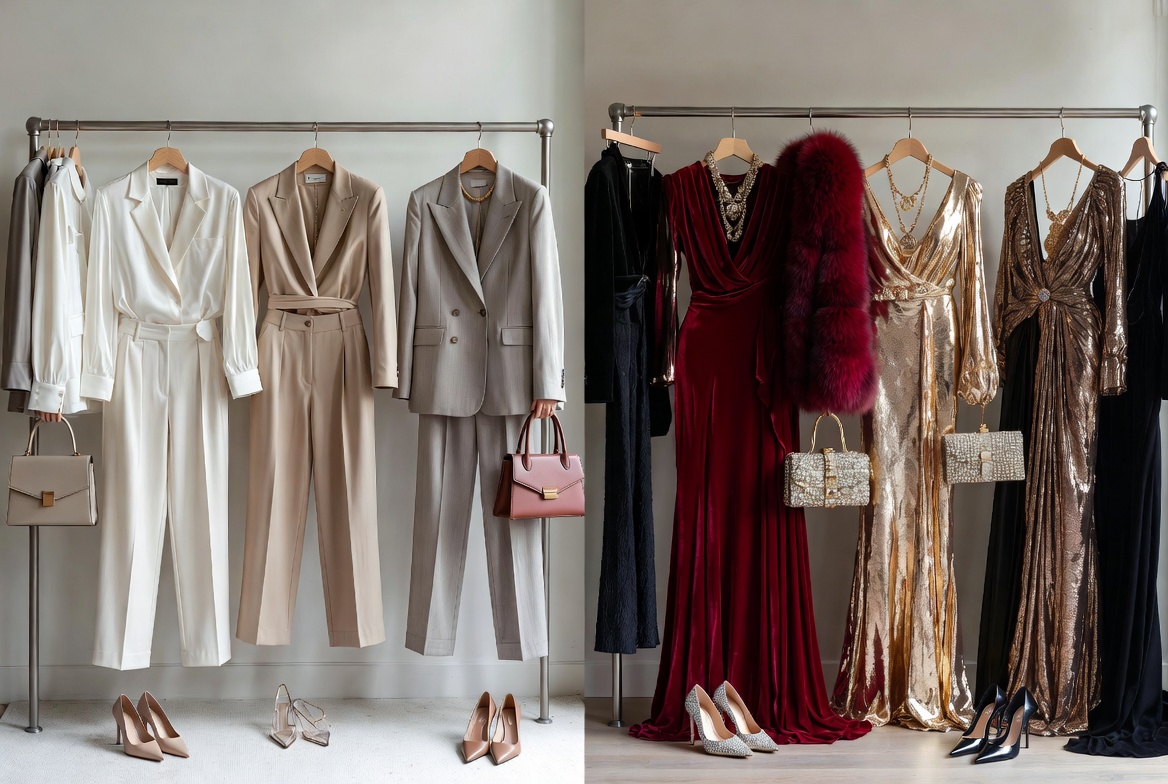
Dressing for a Life, Not a Look
There was a time when wardrobes were assembled around occasions: office wear in one corner, eveningwear in another, weekends folded somewhere in between. Today, that taxonomy feels obsolete. Life is porous now—workdays extend into dinners, travel blurs with routine, formality softens. The modern woman no longer asks What should I wear for this event? but rather, What clothes can move with me through my life?
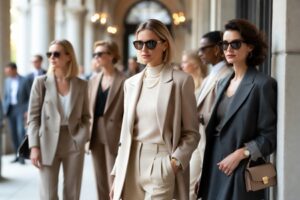
On the streets of Copenhagen and Tokyo—cities quietly leading the conversation on intelligent dressing—women layer intention into simplicity. A crisp white shirt worn loose over tailored trousers becomes office-appropriate with loafers, poetic with sandals, decisive with boots. Styling is no longer decorative; it is strategic, emotional, and deeply personal.
This shift marks a departure from trend-led consumption toward wardrobe fluency: understanding how garments speak to one another, how they evolve with the body, how they age into meaning.
The Rise of the Personal Uniform
Perhaps the most elegant styling movement of the moment is the return of the personal uniform. Not restrictive, not repetitive—rather, a curated silhouette that reflects one’s rhythm. Think Carolyn Bessette-Kennedy’s monochrome restraint, reinterpreted for 2026: fluid tailoring, tonal palettes, impeccable fabrics.
On Instagram, stylists and editors are quietly celebrating repetition. The same trousers, styled across weeks. The same knit, worn through climates. What once felt unimaginative now reads as assured. Consistency becomes confidence.
This perspective challenges the assumption that variety equals creativity. In truth, refinement emerges from familiarity—from knowing exactly how a garment behaves when you move, sit, travel, live. Luxury, here, is not novelty but intimacy.
Foundation Pieces: Where Craftsmanship Lives
Every great wardrobe begins with its foundations—the pieces that do not announce themselves yet carry everything else. A beautifully cut blazer with softened shoulders. A knit dress that skims rather than clings. Trousers whose proportions feel inevitable, not styled.
Brands like The Row continue to set the global benchmark for restraint and material intelligence, proving that minimalism, when done correctly, is never plain. A silk-wool trouser from their collection holds its shape through time, becoming not seasonal but archival.
(Brand site: https://www.therow.com | Instagram: https://www.instagram.com/therow)
View this post on Instagram
Similarly, Totême, born in Stockholm’s culture of disciplined ease, offers modern women a vocabulary of pieces that resist trend expiration. Their coats and knits are less garments than companions.
(Brand site: https://toteme-studio.com | Instagram: https://www.instagram.com/toteme)
View this post on Instagram
These are not purchases; they are commitments—to longevity, to restraint, to discernment.
Styling as Cultural Dialogue
Wardrobe choices increasingly echo broader cultural values. The Japanese concept of ma—the beauty of space and pause—finds expression in relaxed silhouettes and intentional layering. Mediterranean dressing, by contrast, embraces tactile sensuality: linen against skin, fluid dresses that respond to heat and light.
Travel has become one of the most influential styling forces. Women now dress with adaptability in mind—pieces that fold easily, resist creasing, and transition across environments. A wrap skirt worn in Lisbon, then again in London with a knit and boots, becomes part of a personal travel archive.
Fashion, at its best, reflects how we move through the world—not how we pose within it.
Styling as Emotion, Not Instruction
Traditional fashion advice often leans prescriptive: do this, avoid that. But modern styling is intuitive. It begins with how one wishes to feel—grounded, expansive, protected, luminous.
One morning may call for the armor of tailoring; another for the softness of cashmere. The same woman, different needs. This emotional intelligence in dressing is visible across street style photography in Paris and Milan, where comfort and polish coexist without explanation.
This approach reframes styling as a daily ritual rather than a performance. Clothes become tools for self-alignment, not external validation.
The Edited Wardrobe: Less, But Better
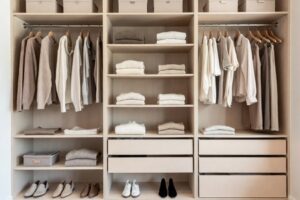
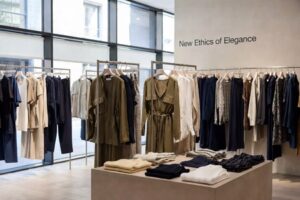
The most sophisticated wardrobes today are edited, not exhaustive. They privilege quality over quantity, versatility over excess. A carefully chosen capsule of thirty to forty pieces—refined, interchangeable, seasonless—offers more freedom than a closet full of rarely worn trends.
This does not mean austerity. It means discernment. Knowing when a piece earns its place. Understanding when something does not.
In this edit, luxury is discretion. And discretion is power.
She Unfolds Life Edit
A wardrobe is not built in a season—it is composed over time, through living. Begin with fewer pieces, chosen slowly. Notice which garments earn repetition. Let go of what no longer feels aligned. Style, after all, is not about impressing—it is about arriving fully as yourself.
She Unfolds Life is where modern luxury meets intention—where travel, style, culture, and living well converge through a lens of curiosity and refinement. Each story is an invitation to slow down, look closer, and choose with care. This is not about excess, but about meaning. About living expansively, yet thoughtfully. And unfolding life, one considered experience at a time.