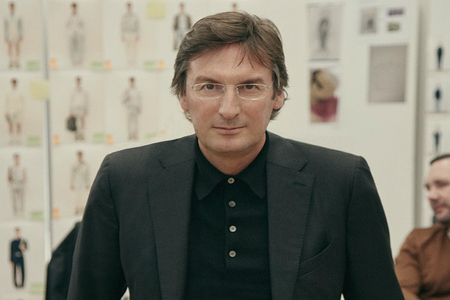
Pietro Beccari, currently Chairman and CEO of Louis Vuitton (LV), has been appointed as Chairman and CEO of LVMH Fashion Group — in addition to his existing duties at Louis Vuitton.
The formal change will take effect on January 1, 2026, after a transition period from the outgoing head of the fashion group, Sidney Toledano, who steps down from his operational role after over 30 years at the luxury conglomerate.
Why This Matters — Bigger Picture at LVMH
-
The LVMH Fashion Group oversees several of the conglomerate’s most prestigious houses — including Celine, Givenchy, Loewe, Fendi, Pucci, Marc Jacobs and Patou.
-
By placing Beccari — already at the helm of Louis Vuitton, the group’s biggest money-maker — in charge of the Fashion Group, the company is likely signalling a push for tighter strategic alignment across its major fashion houses. The move may aim to leverage Beccari’s track record of brand building to invigorate and perhaps streamline operations across the group’s maisons.
The Leadership Shift: What Changes, Who Gains
-
Sidney Toledano: After decades running the Fashion Group, he will step down operationally but remain with LVMH as a “Special Advisor.”
-
Beccari’s Dual Role: From January 2026, Beccari will simultaneously hold the top position at Louis Vuitton and lead the broader Fashion Group — meaning he’ll oversee both the titan brand and a cluster of other major maisons.
-
Damien Bertrand: The current Deputy CEO of Louis Vuitton has been named a member of the LVMH Executive Committee. This gives him greater visibility and influence at group level, reinforcing a leadership pipeline as Beccari takes on broader responsibilities.
Bernard Arnault, Chairman and CEO of LVMH Moët Hennessy Louis Vuitton, praised the transitions: thanking Toledano for his decades-long service, and expressing confidence in Beccari’s “boundless energy” and talent to shape the future of the maisons. He also underlined that Bertrand’s elevation reflects his significant contributions in recent months.
What This Could Mean for the Fashion Houses Under LVMH
-
Stronger Strategic Co-ordination: With Beccari overseeing both LV and the Fashion Group, we may see more unified strategies across brands — whether in design direction, distribution, or marketing — potentially leveraging cross-brand synergies.
-
Potential Brand Refreshes: Under new leadership, some of the houses within the Fashion Group might get refreshed brand positioning, creative shake-ups, or renewed investment, especially if Beccari brings his LV-style commercial discipline and strategic vision to them.
-
Leadership Stability + Internal Mobility: The appointment of Bertrand to the Executive Committee signals that LVMH continues favoring internal leadership development. That may lead to smoother transitions and steadier management across its houses rather than abrupt external appointments.
Why Now? Context & Industry Implications
This shake-up comes at a time when the global luxury fashion industry faces shifting consumer demand, economic headwinds, and increased competition from new luxury players. Consolidating leadership under experienced executives might be LVMH’s strategic move to safeguard its heritage brands, streamline decision-making, and stay competitive.
With Beccari’s background — having led houses like Fendi, Christian Dior Couture, and now Louis Vuitton — the company seems to be doubling down on seasoned leadership to guide its maisons through changing market dynamics.