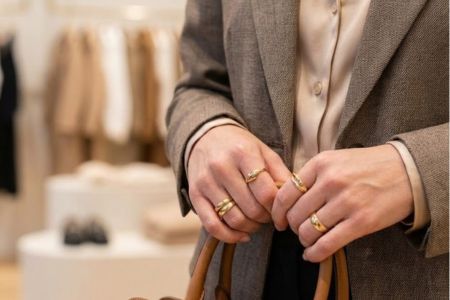
Introduction: The Return of the Human Touch
“In an era of automation, bespoke craftsmanship reminds us that true luxury is human.”
In 2025, luxury isn’t defined by logos or mass prestige — it’s defined by authenticity, artistry, and emotion. Enter bespoke craftsmanship, a movement that celebrates individual expression and human skill.
From tailored garments and hand-sculpted furniture to custom fragrances and heirloom jewelry, bespoke design represents the highest form of intentional luxury — crafted not just for you, but around you.
What Is Bespoke Craftsmanship?
The term “bespoke” originates from 17th-century British tailoring — meaning a garment was spoken for by a specific client. Over time, it evolved to symbolize personalized creation across fashion, design, and luxury industries.
Today, bespoke craftsmanship means made-to-measure artistry, where every element — from material selection to finish — is guided by collaboration between creator and client.
It’s not about owning more; it’s about owning something that feels distinctly yours.
How Bespoke Design Is Changing the Modern Luxury Landscape
1. A Shift from Mass Production to Meaningful Creation
Consumers are turning away from fast luxury and embracing intentional, slow craftsmanship. This shift reflects a growing appreciation for longevity, traceability, and story-driven design.
2. Collaboration Between Artisan and Client
Bespoke design is deeply personal — it transforms the customer into a co-creator. Whether it’s commissioning a piece of jewelry from Buccellati or a custom suit from Savile Row, the process becomes an emotional journey.
3. Sustainability Through Longevity
Made-to-order craftsmanship naturally reduces waste. Every piece is made with purpose — a direct counterpoint to disposable luxury. Think of Hermès saddlery, Brunello Cucinelli’s slow fashion, or Rolls-Royce Coachbuild — brands that honor time as a material.
4. Heritage Meets Modern Innovation
Bespoke craftsmanship is evolving beyond tradition. Designers now merge handcrafted artistry with modern technology, creating unique works that balance legacy with innovation — from 3D-printed jewelry to AI-assisted pattern-making.
Where We See Bespoke Craftsmanship in 2025
️ Fashion:
Couture ateliers like Dior, Chanel, and Schiaparelli redefine couture through hand-embroidery and sculptural silhouettes tailored precisely to the wearer.
Interiors:
Designers are creating custom furniture and décor using rare woods, marbles, and textiles, turning living spaces into personal sanctuaries of taste.
Automotive:
Brands like Bentley and Rolls-Royce offer bespoke programs allowing clients to customize everything — from seat stitching to interior veneers — transforming vehicles into portraits of identity.
Jewelry & Fragrance:
High jewelers like Cartier and Van Cleef & Arpels, and perfumers such as Maison Francis Kurkdjian, bring emotional storytelling into every bespoke creation.
Pull Quote:
“The future of luxury isn’t mass appeal — it’s personal narrative.”
The Emotional Value of Bespoke
Bespoke craftsmanship satisfies something deeper than status — it connects the buyer to the maker’s hand, heart, and heritage. Each piece carries not just beauty, but intention.
In an age of sameness, bespoke luxury stands as a quiet rebellion — a return to the soulful, tactile, and timeless.
Bespoke craftsmanship is redefining what it means to live beautifully. It invites us to slow down, to choose meaning over excess, and to celebrate the poetry of creation.
“To commission something bespoke is to participate in art — to leave your fingerprint on the world.”
In the modern design world, bespoke creation represents the most luxurious currency of all: time, intention, and individuality.